Module Code: content-paragraph
Birdwatching is a delightful and educational activity that brings you closer to nature. The UK is home to a diverse array of bird species, each with its unique characteristics and charm. Whether you’re a seasoned birder or a curious beginner, here are ten British birds you should know and be able to identify.
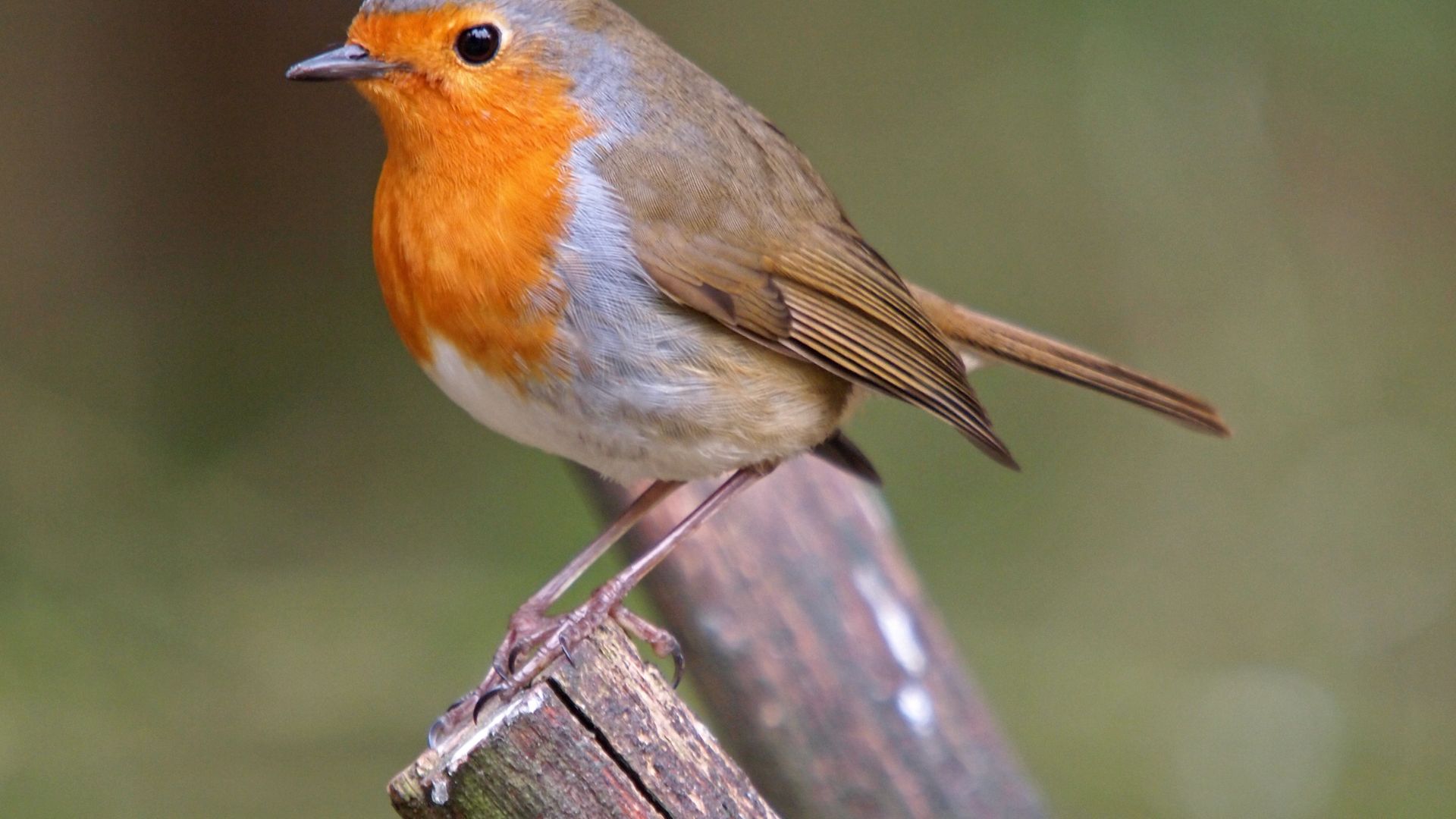
Robin (Erithacus rubecula)
Robins are known for their friendly nature and are often seen following gardeners, hoping to snatch up any unearthed insects.
- Appearance: Small, with a distinctive red breast and face, brown upperparts, and a white belly.
- Size: Approximately 14 cm in length.
- Habitat: Gardens, woodlands, and parks.
Module Code: content-image
Module Code: content-paragraph
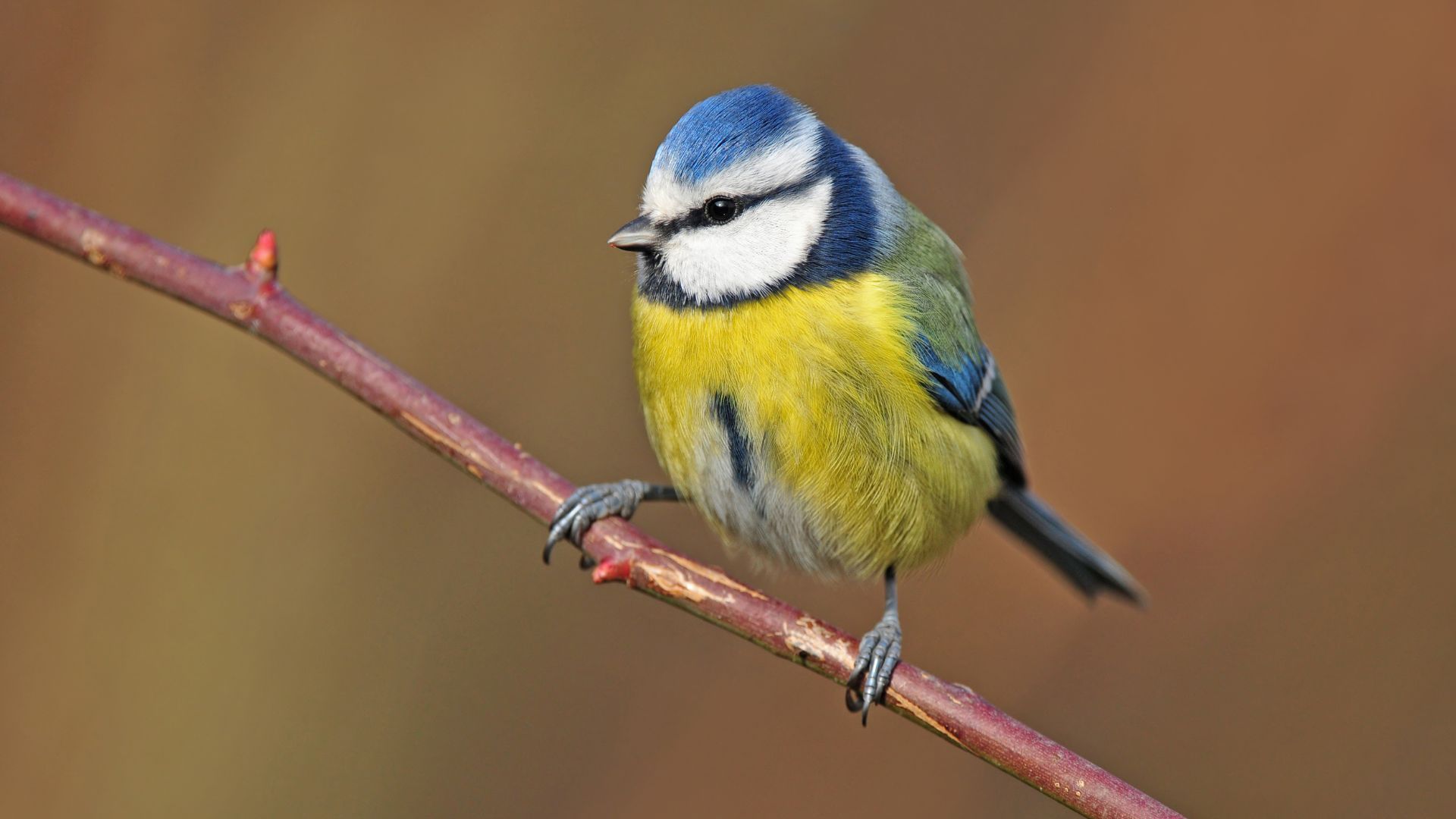
Blue Tit (Cyanistes caeruleus)
Blue Tits are acrobatic feeders, often seen hanging upside down to extract insects from leaves.
- Appearance: Vibrant blue cap, wings, and tail, with a yellow belly and greenish back.
- Size: About 12 cm in length.
- Habitat: Woodlands, gardens, and hedgerows.
Module Code: content-image
Module Code: content-paragraph
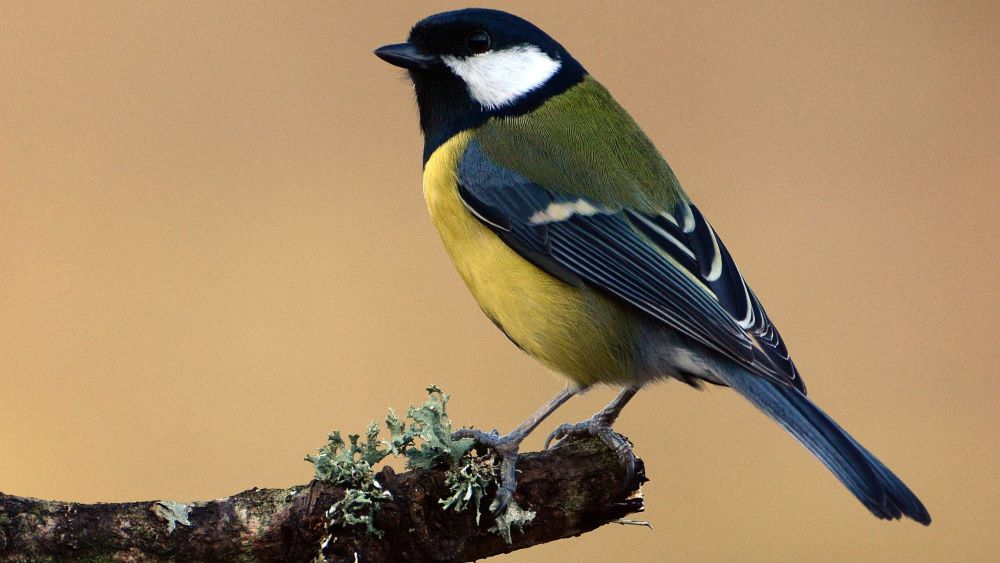
Great Tit (Parus major)
The Great Tit has a variety of calls and songs, often mimicking other birds.
- Appearance: Black head and neck, white cheeks, olive upperparts, and yellow underparts with a distinctive black stripe down the middle.
- Size: Roughly 14 cm in length.
- Habitat: Woodlands, parks, and gardens.
Module Code: content-image
Module Code: content-paragraph
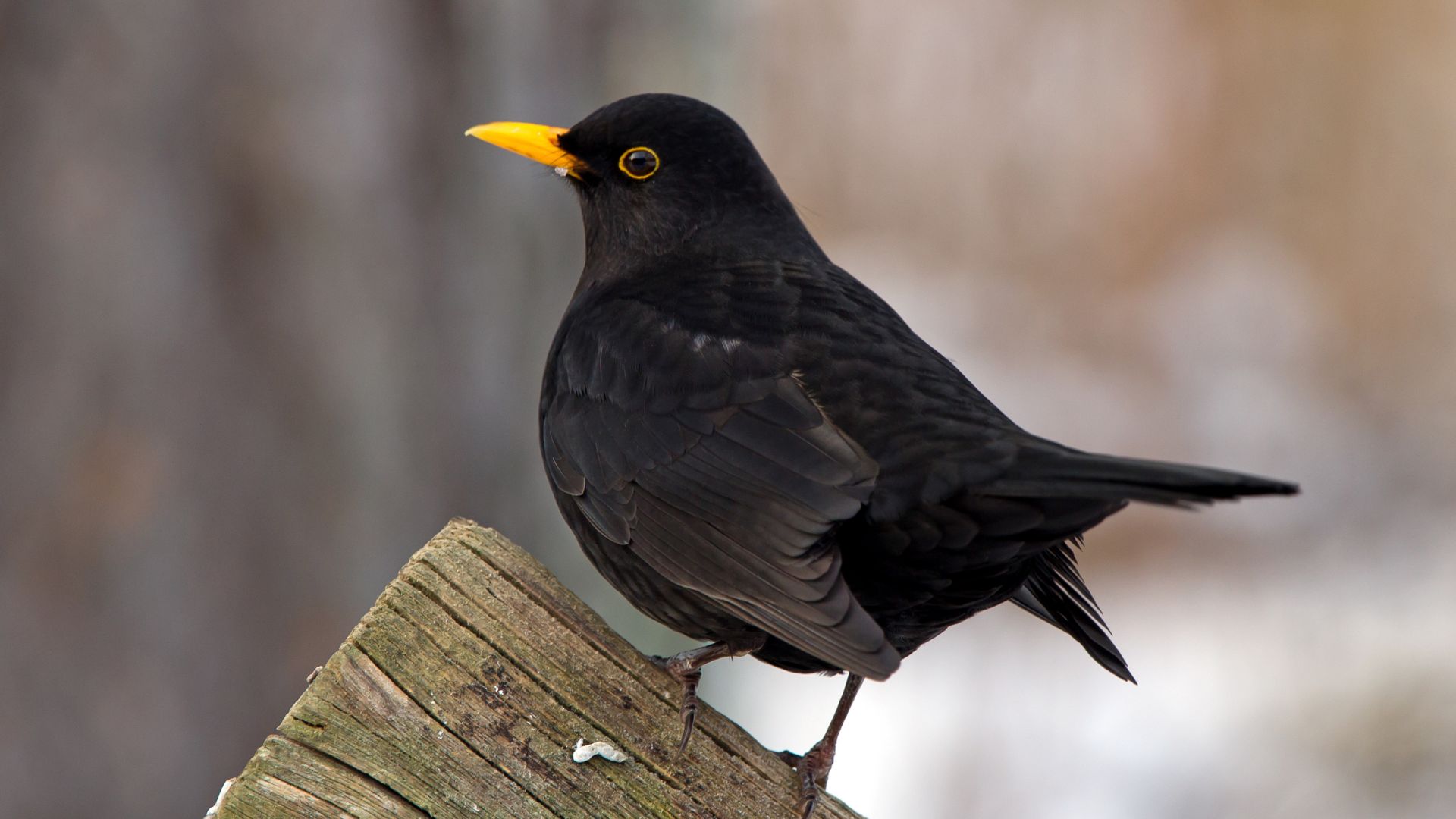
Blackbird (Turdus merula)
Blackbirds are known for their melodic song, especially during early mornings and late evenings.
- Appearance: Males are entirely black with a yellow beak and eye-ring; females are brown with speckled breasts.
- Size: Around 24 cm in length.
- Habitat: Gardens, woodlands, and farmlands.
Module Code: content-image
Module Code: content-paragraph
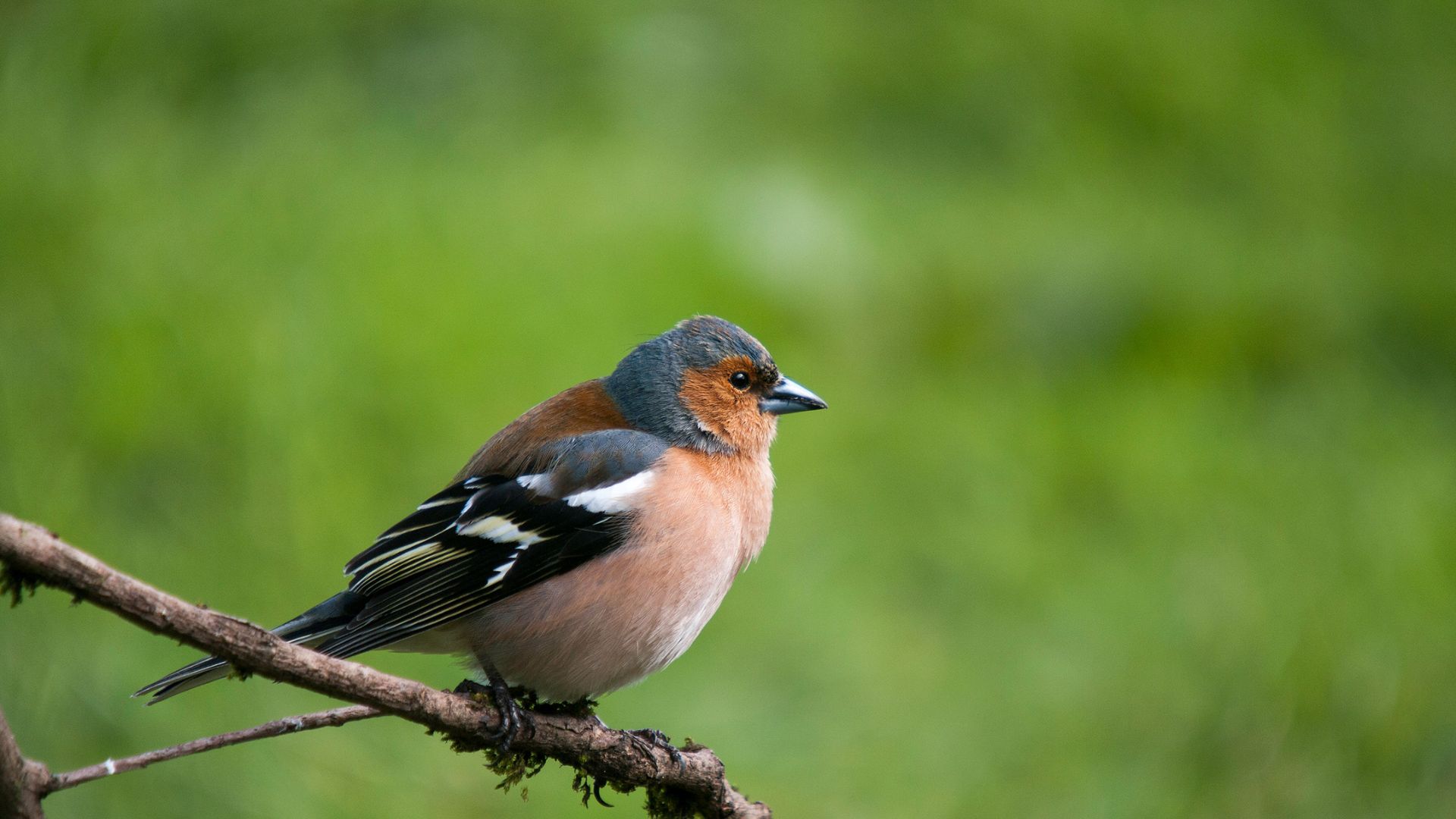
Chaffinch (Fringilla coelebs)
Chaffinches have a distinctive song that is a series of descending notes.
- Appearance: Males have a blue-grey cap and rust-red underparts; females are more subdued with brown and grey tones.
- Size: Approximately 14 cm in length.
- Habitat: Woodlands, gardens, and farmland.
Module Code: content-image
Module Code: content-paragraph
Goldfinch (Carduelis carduelis)
Goldfinches are often seen in flocks, especially during the winter months.
- Appearance: Striking red face, black and white head, golden wing bars, and a white rump.
- Size: About 12 cm in length.
- Habitat: Gardens, parks, and open countryside.
Module Code: content-image
Module Code: content-paragraph
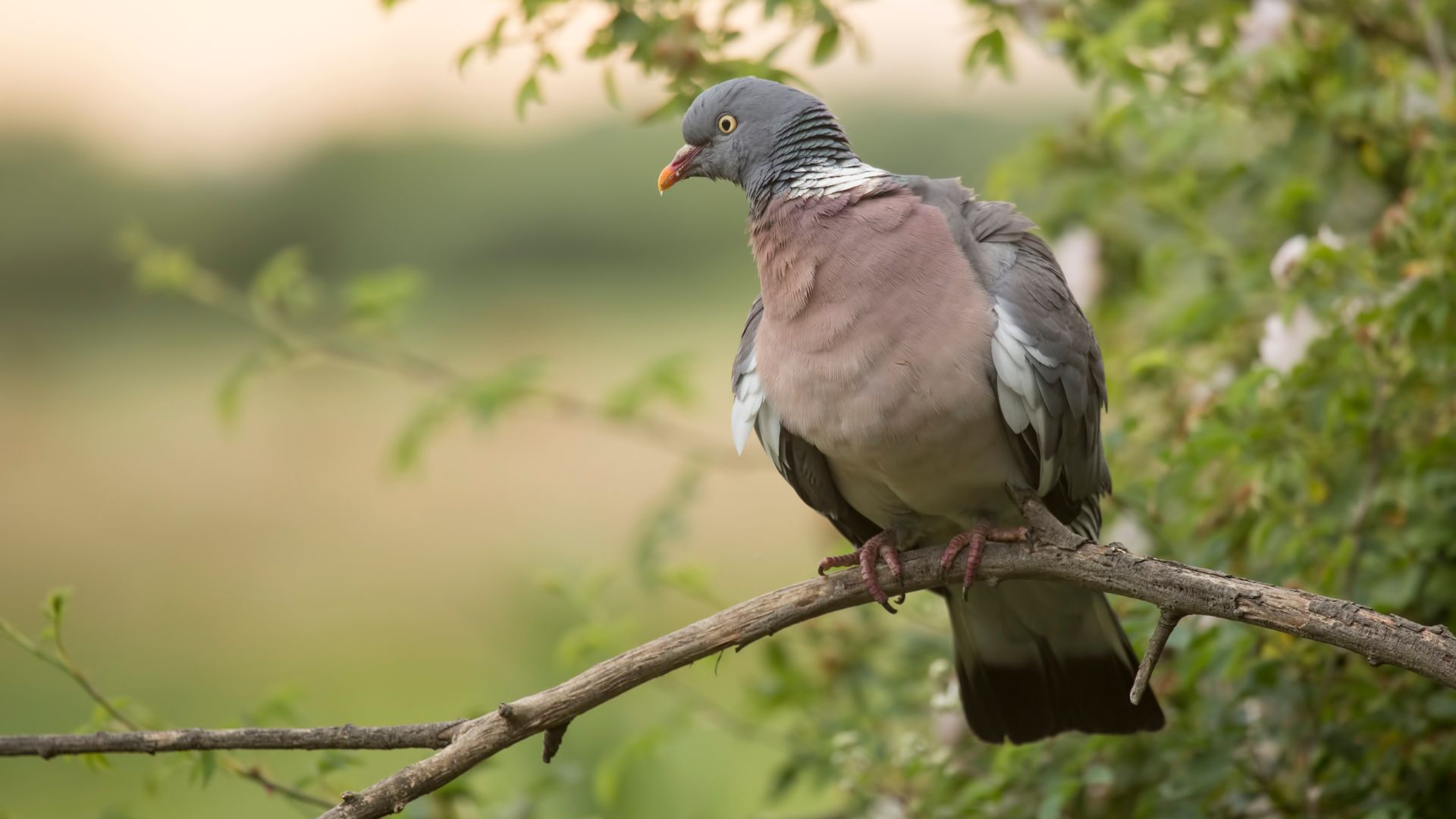
Woodpigeon (Columba palumbus)
Woodpigeons have a characteristic cooing call and can be seen performing display flights during the breeding season.
- Appearance: Grey body, white neck patches, and pinkish breast.
- Size: Around 41 cm in length.
- Habitat: Woodlands, farmland, and urban areas.
Module Code: content-image
Module Code: content-paragraph
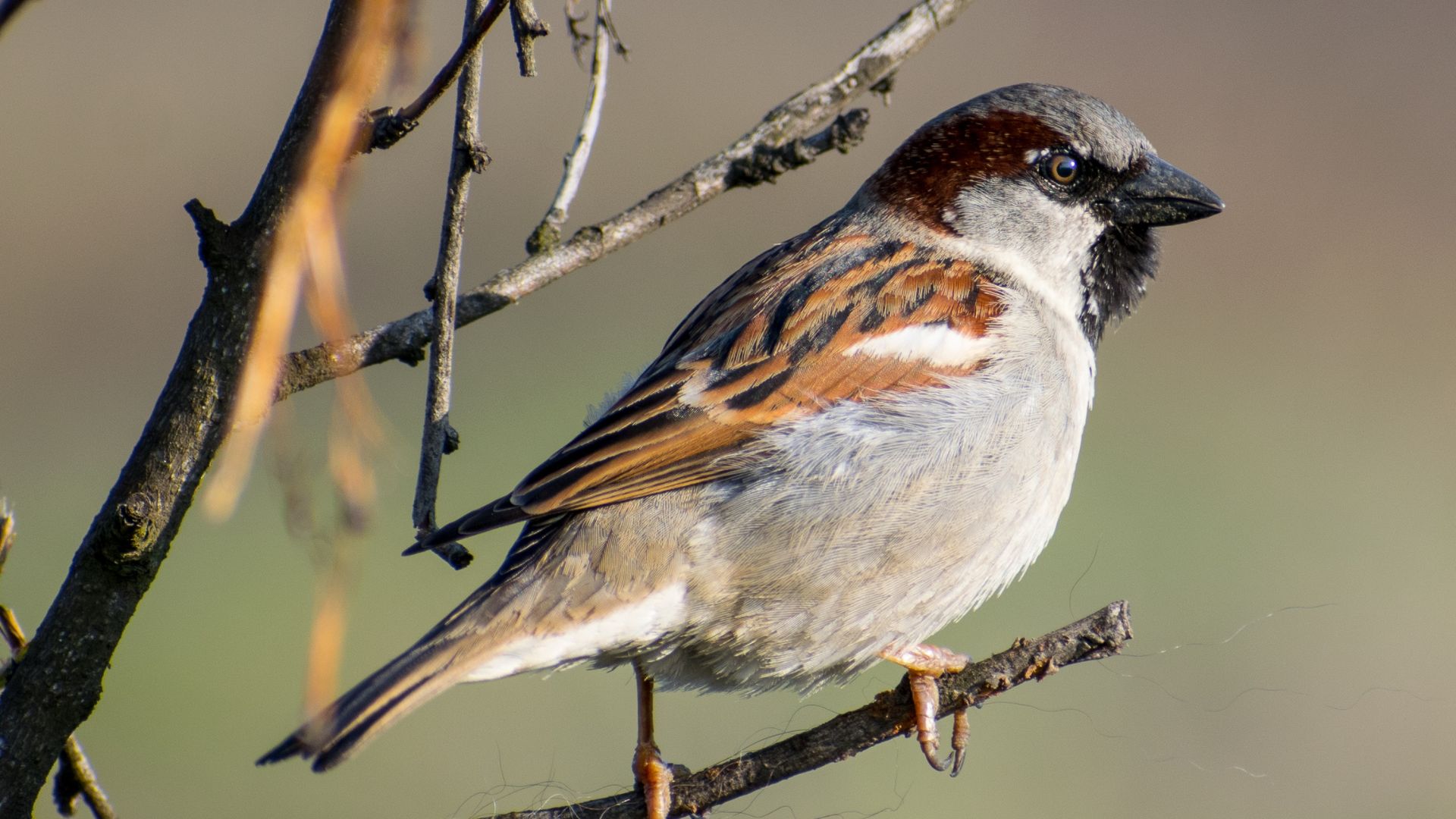
House Sparrow (Passer domesticus)
Once very common, House Sparrow populations have declined in recent years, making them a conservation focus.
- Appearance: Males have grey heads, black bibs, and brown and black streaked backs; females are more uniformly brown.
- Size: Approximately 16 cm in length.
- Habitat: Urban areas, gardens, and farmland.
Module Code: content-image
Module Code: content-paragraph
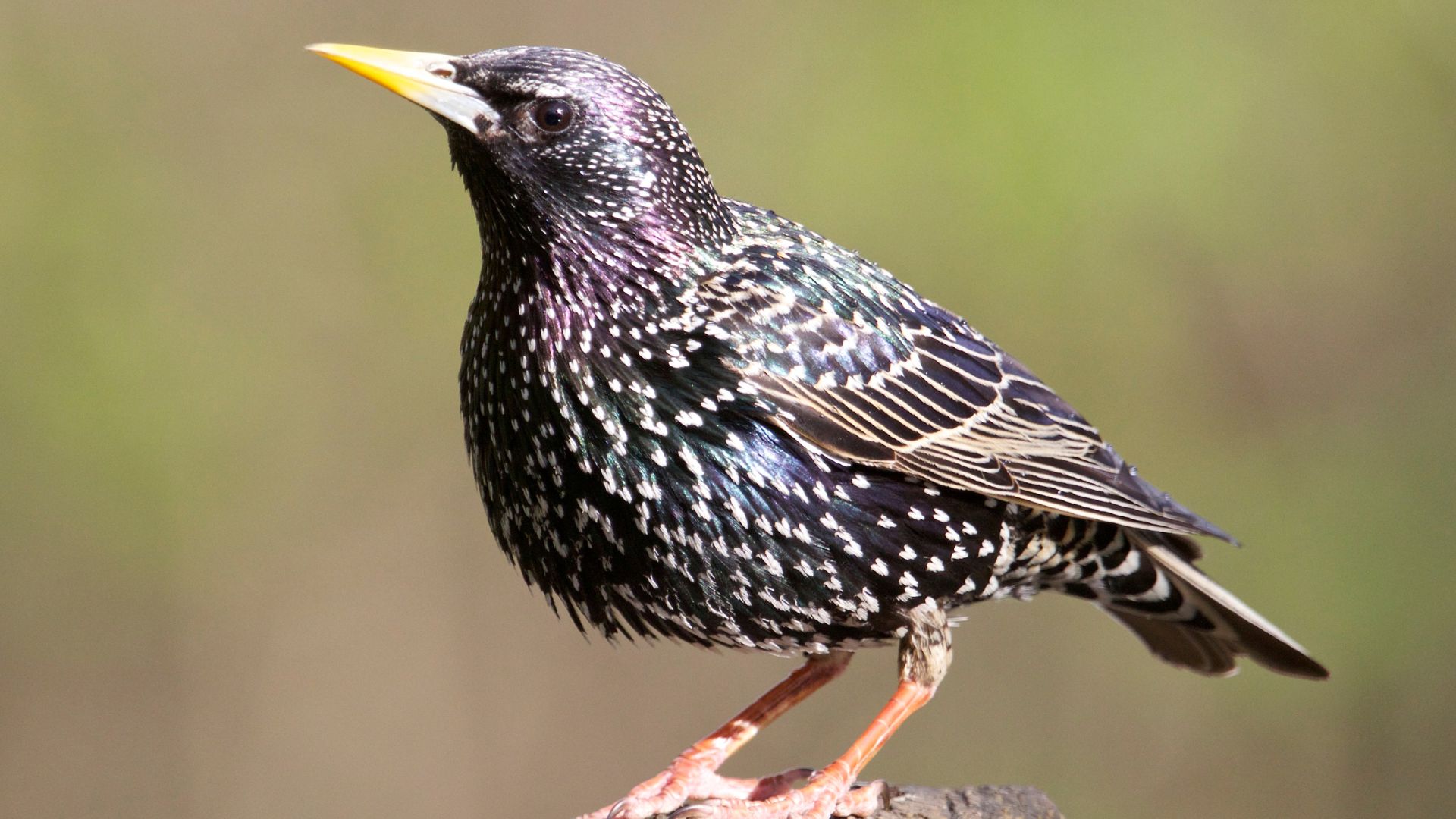
Starling (Sturnus vulgaris)
Starlings are famous for their murmurations, where thousands of birds fly in synchronized patterns.
- Appearance: Iridescent black feathers with a green and purple sheen and white speckles, yellow beak in summer.
- Size: About 21 cm in length.
- Habitat: Urban areas, farmland, and woodlands.
Module Code: content-image
Module Code: content-paragraph
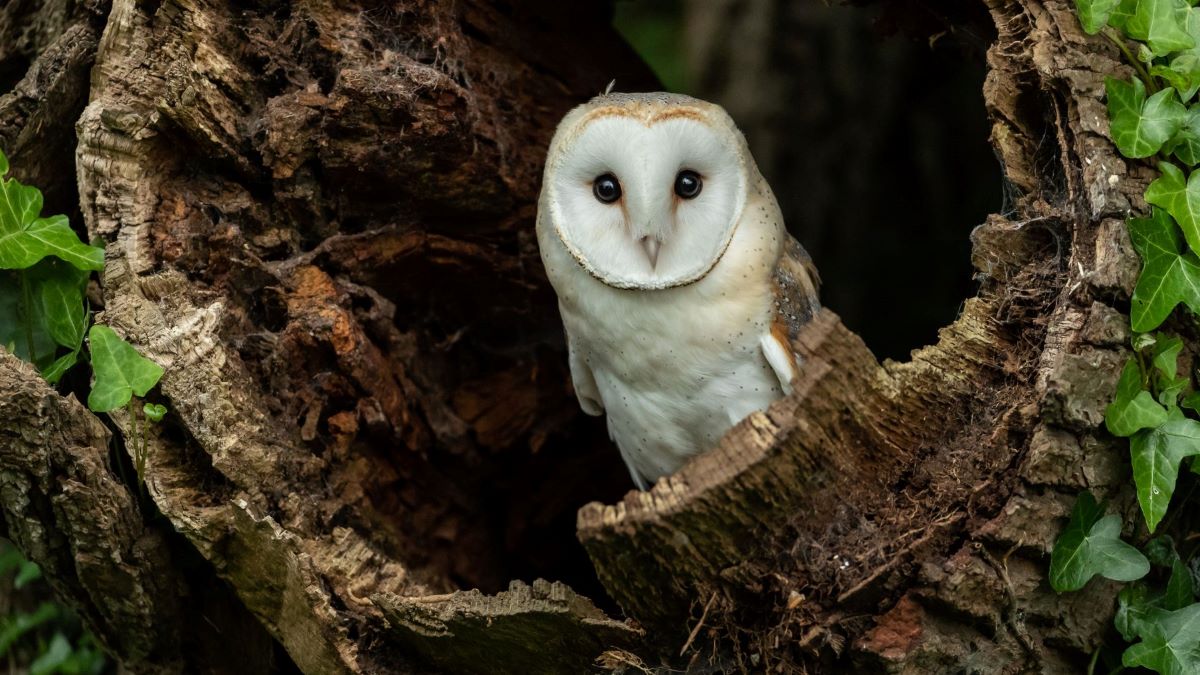
Barn Owl (Tyto alba)
Barn Owls have an incredibly silent flight, aiding them in hunting small mammals at night.
- Appearance: Heart-shaped white face, white underparts, and golden-buff upperparts with grey markings.
- Size: Roughly 34 cm in length with a wingspan of up to 95 cm.
- Habitat: Farmland, grassland, and rural areas.
Module Code: content-image
Module Code: content-paragraph
Understanding and identifying these ten British birds can enhance your appreciation for the natural world and contribute to conservation efforts. Each bird has its unique role in the ecosystem, and observing their behaviours and characteristics can be both a relaxing and educational experience. So grab your binoculars, head outdoors, and start spotting these beautiful birds in their natural habitats!